
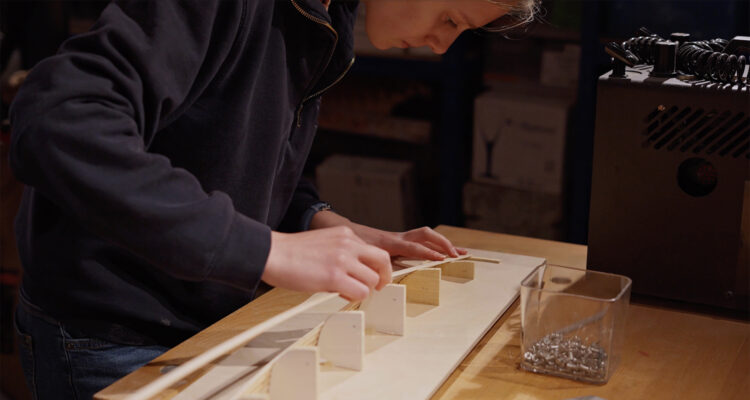
Astonished by the crafting skills of the Martin family, we invited Dr Neil Martin to share his story of how a family in Oxford ended up building beautiful replica gigs.
When I was boy, there was a gentleman living at the top of the Strand in Hugh Town on St. Mary’s who carved wooden pilot gigs and sold them off his front porch. And I was a collector. Each time we went back to the Isles of Scilly, I hollered for my favourite boats on Friday nights at the races, and came home with a new gig for my collection – Bonnet, Dolphin, Shah, Serica and, in pride of place, my beloved Czar.

Thirty years on, the gig-carving man is no longer there. But the islands and the boats are more precious to me than ever now I have kids of my own, and our whole family feels that same desire to bring the magic of race night home.
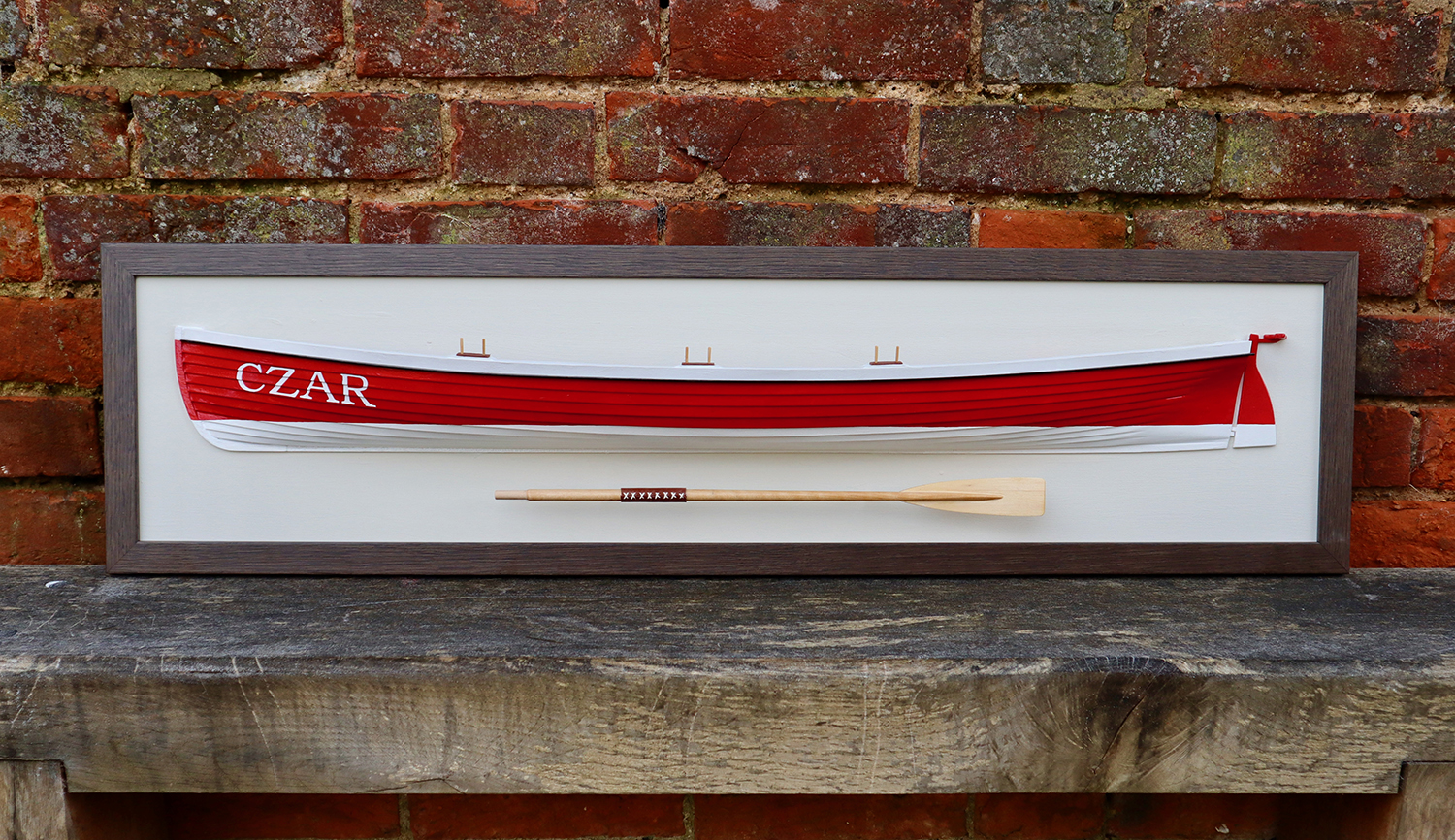
In the Covid lockdown, we bought a set of plans for ‘Swift’ and set to work on a twelfth scale model for the wall above the mantlepiece at our home in Oxford – not carved, but planked from scratch like the real thing, fully detailed inside and out. Two summers later, we showed the photos to Steve and Alison Sherris at the Silver Street Gallery and they encouraged us to make some more.
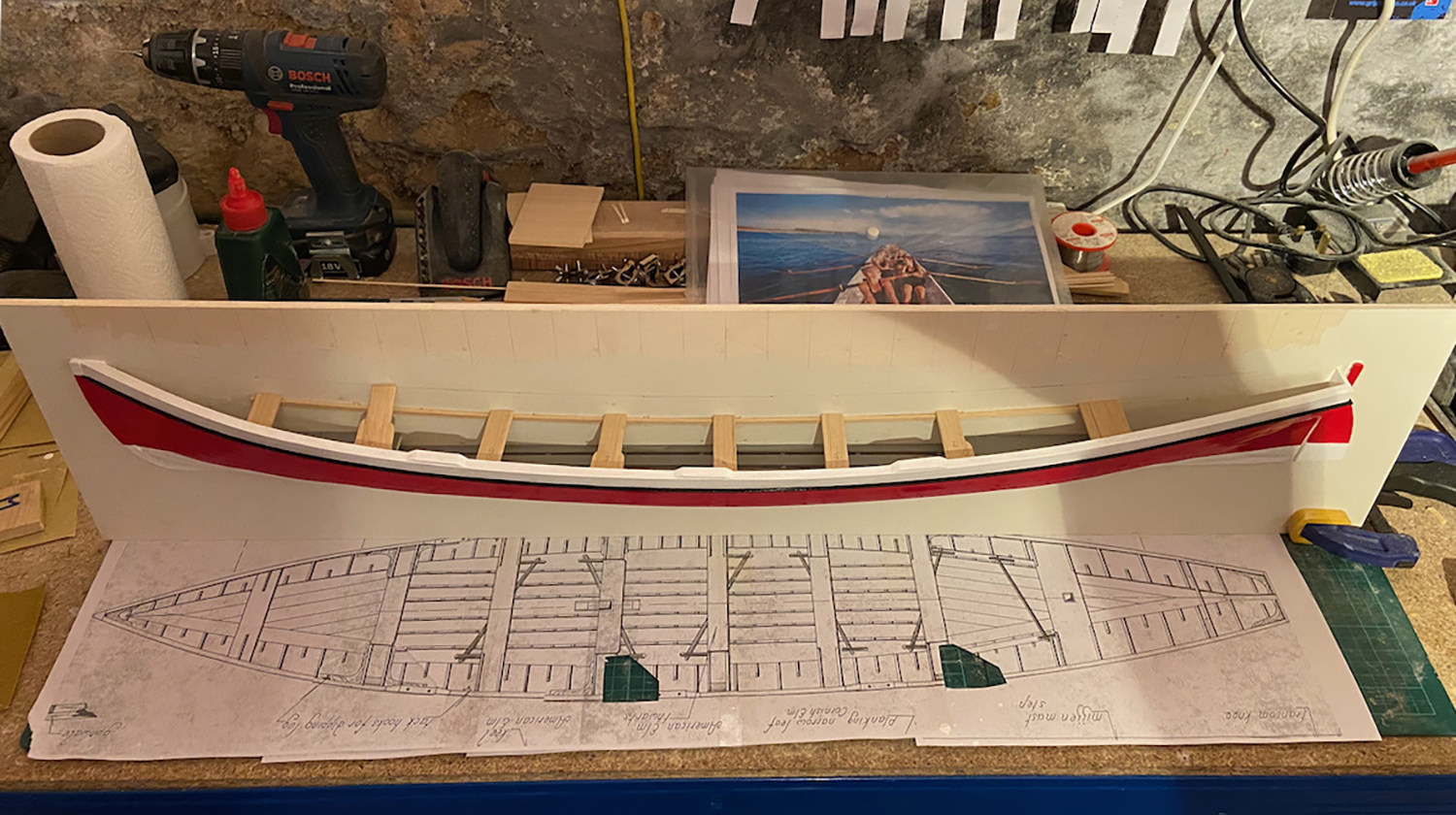
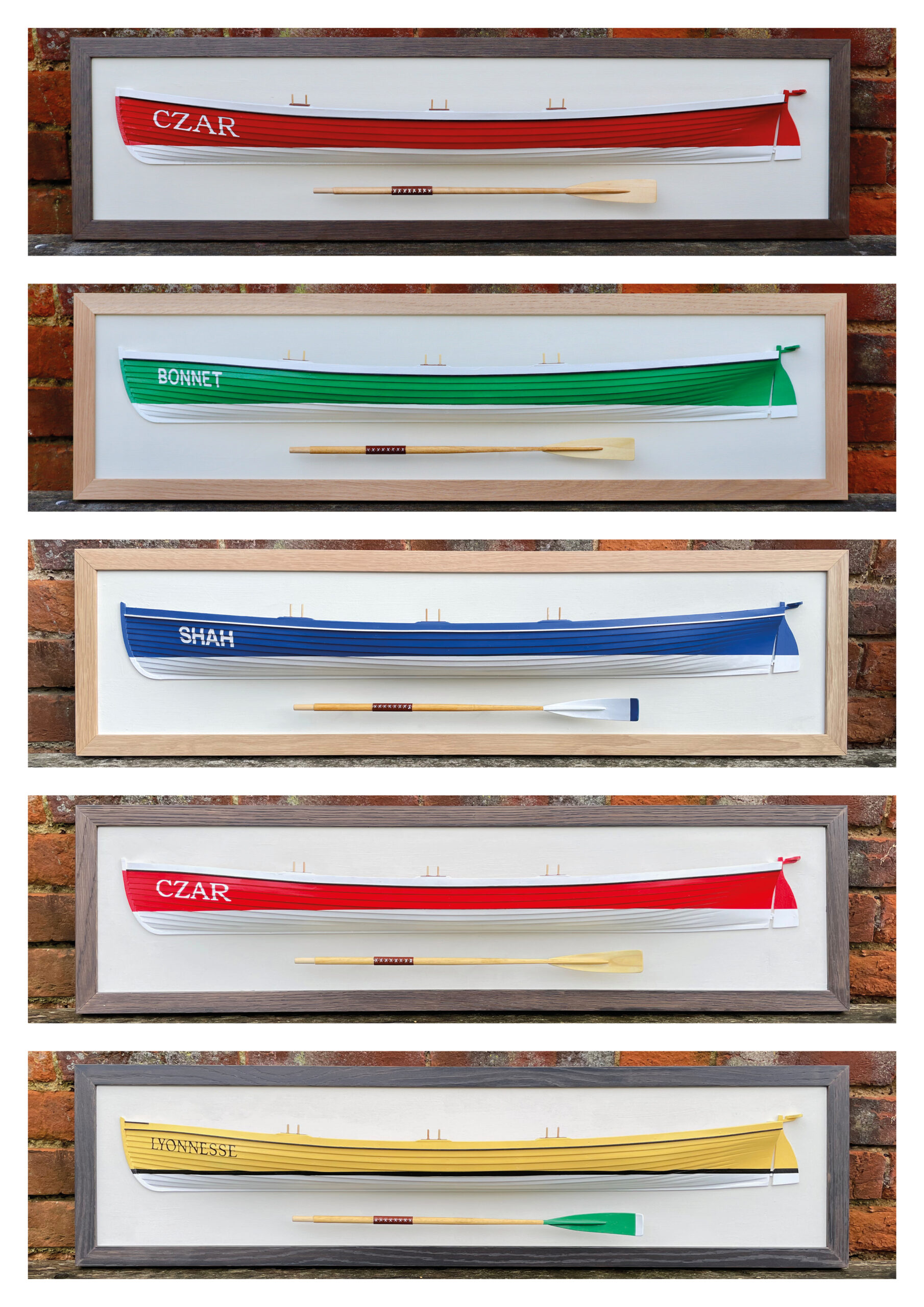
And the result is ‘The Gig Economy’ – a family enterprise making ten, twelfth-scale framed gig models a year, built now to the measurements of the definitive 1838 Peters gig, the Treffry, and decorated to order to reflect the livery of each customer’s favourite boat. In a world of individualistic pursuits, learning the craft of gig building and teaching it to my kids has been a welcome antidote.
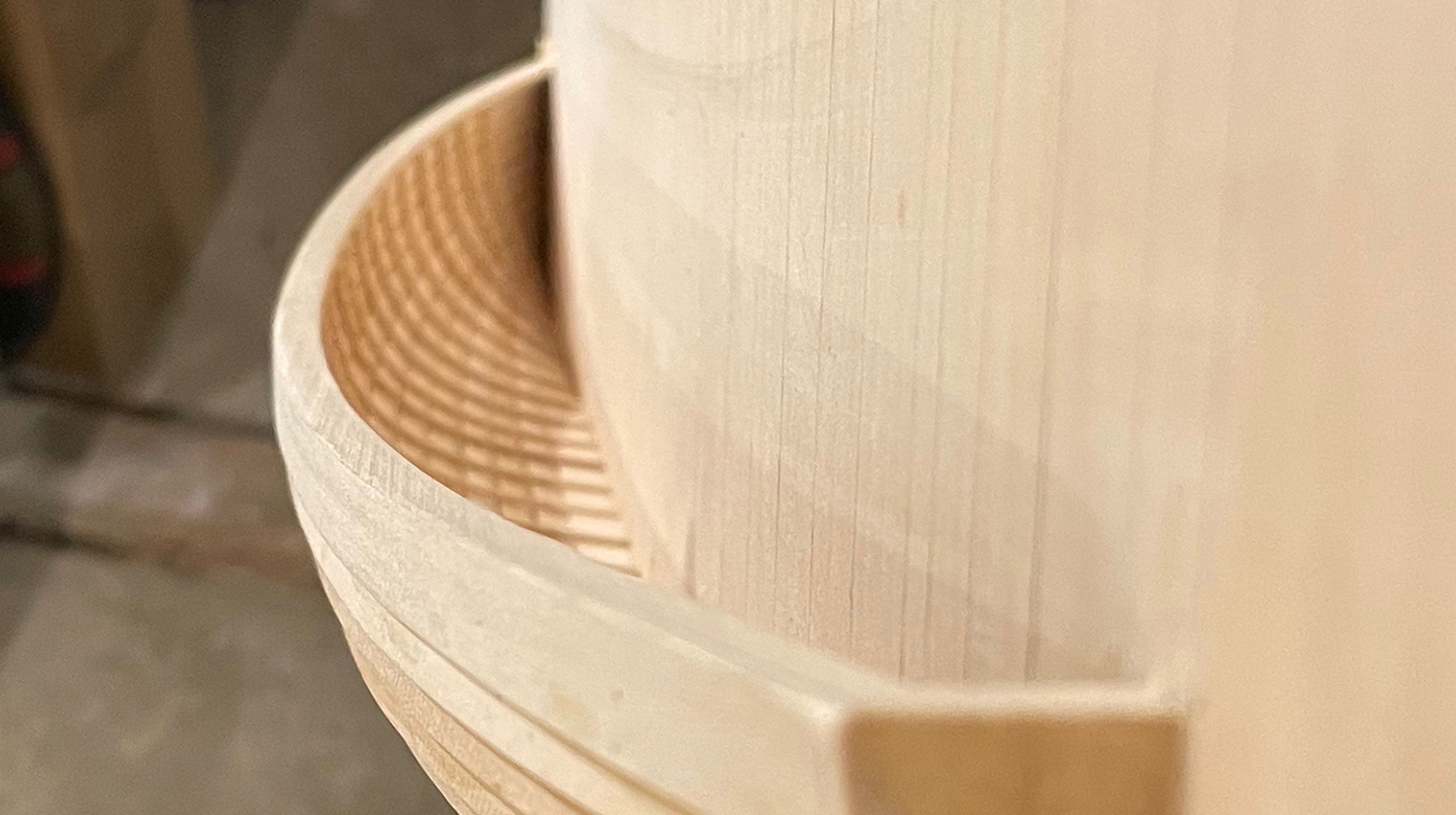
Just like building real gigs, the process begins with a ‘nose’ for good timber, looking over a batch of 10mm lime planks and finding the ones with just the right blend of density, flexibility and the soft, workable texture you need to coax them into taking up the complex, compound shape of a gig. Experience has taught us that a world of problems can be prevented through good plank preparation, and together we’ve developed a portfolio of techniques for pre-planning, slotting, and steaming elements of each boat to facilitate conformity to the elegant curves of the original.
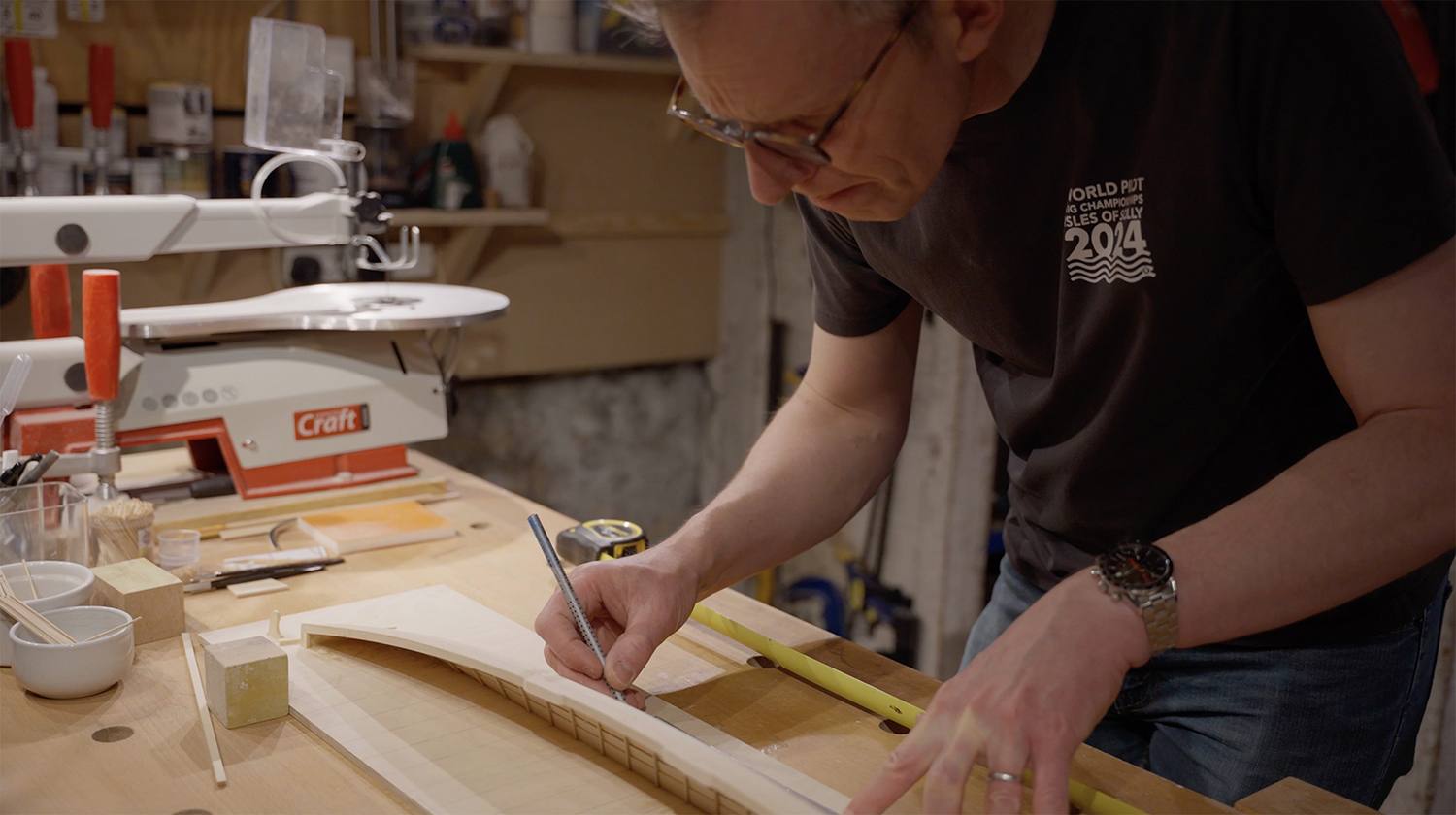
Hulls occupy us through the autumn and winter evenings, gradually completing the familiar 12-plank pattern and then fitting and trimming gunwales and internal ribs to yield the first glimpse of the shapely whole. Oar shafts are turned and blades are assembled from perfectly curved laminate layups that we learned to make through a process of trial and error that finally ended with a eureka moment, compressing the separate glued layers around the outside of the family fire pit with a 10,000 kilo ratchet strap!
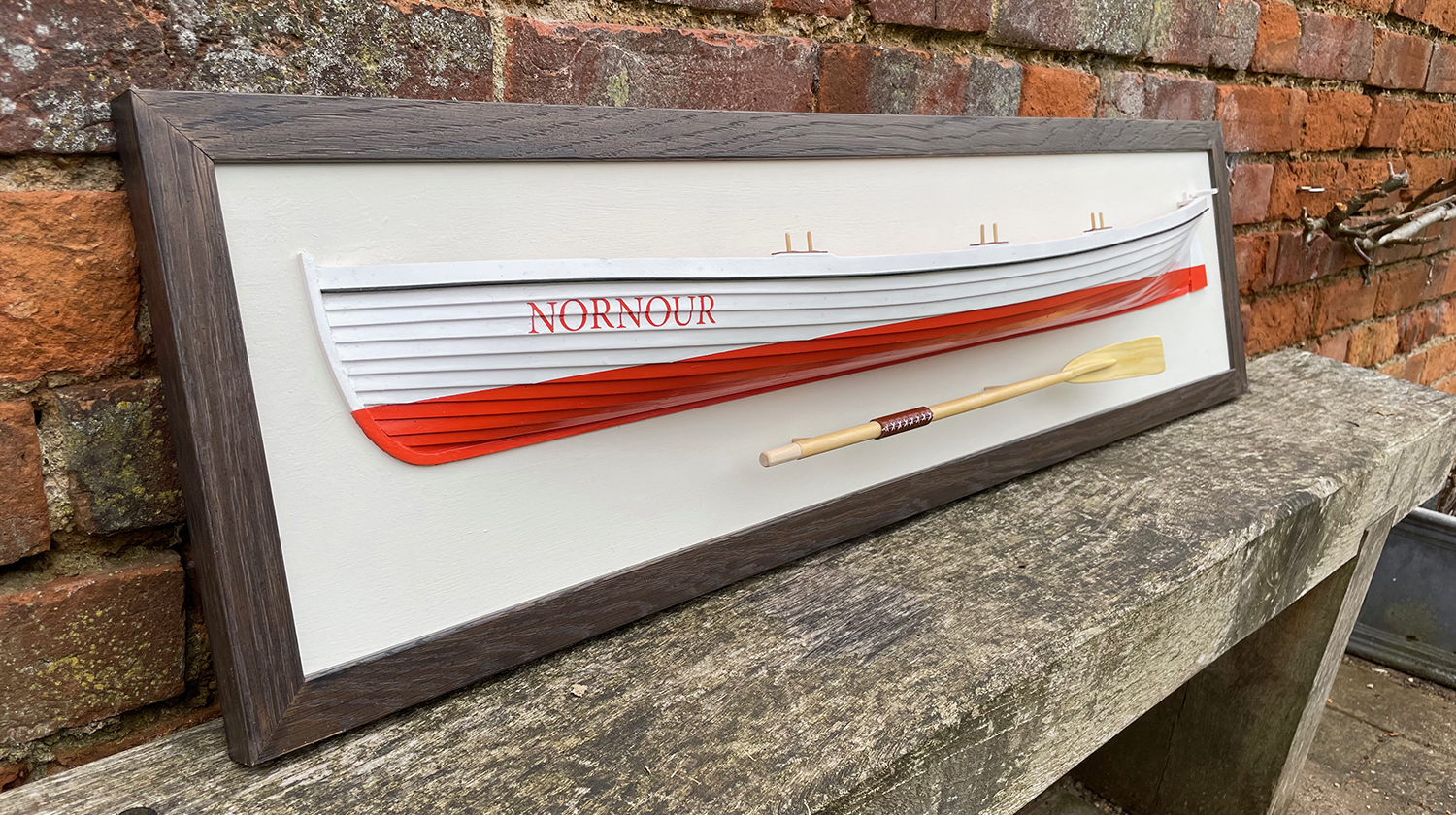
Parquet deck sections and floor boards, seats and stays, are all painted to order before final assembly, but the individual pieces are all made in advance, and by the time the days start getting longer, we have kits of parts for every boat ready to go.
In the Spring, we aim to have pre-made boats on the Isles of Scilly for the World Pilot Gig Championships weekend and as orders begin to come in, we think through each new creative challenge as it comes. Boats like Shah with old-school decorative schemes that bring the hull colour right over the gunwale are the simplest to realise – primed, sprayed with four coats of white, and then masked with custom-cut logo stencils and waterlines marked out with a ceiling-mounted laser – before the finish colour coats are added. Boats with complex colour schemes and natural wooden stained sections require more creativity and the pros and cons of various painting and masking sequences are frequently the subject of nighttime musings and breakfast table conversations among the project team!
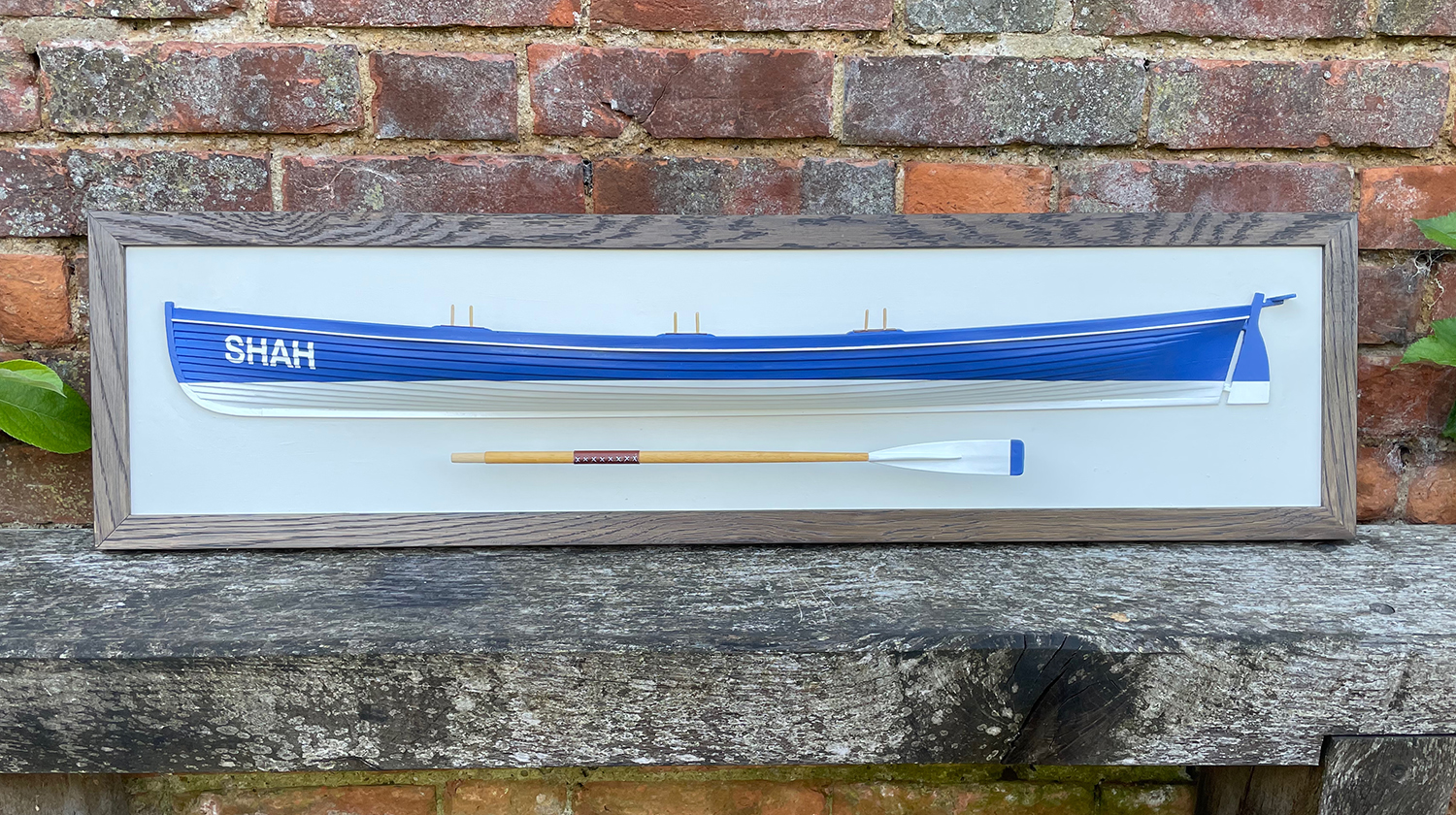
Frames are made on our own jointing machine in the workshop – an upfront investment in the business which provided an education in amortisation for our budding entrepreneurs and which is now rapidly repaying the initial outlay. Making our own frames gives us complete control over the finish and staining options, providing another welcome element of customisation for our clients.
And the results are sometimes hard to part with. The Gig model collector of former years always finds it hard to pack them up and commit them to Parcelforce. But we’re thrilled to be able to play this small part in the gig community that has brought us such a lot of joy and special memories as race spectators and now as builders, and we’re glad that the legacy of the man at the top of the Strand lives on.
Get a glimpse inside the Gig Economy workshop here.
Visit the website to find out more.

No Comments on "The Gig Economy- From Covid to Creativity"